The China Tea Marketing Association (CTMA)
The China Tea Marketing Association (CTMA) was found in 1992
The China Tea Marketing Association (CTMA) was found in 1992
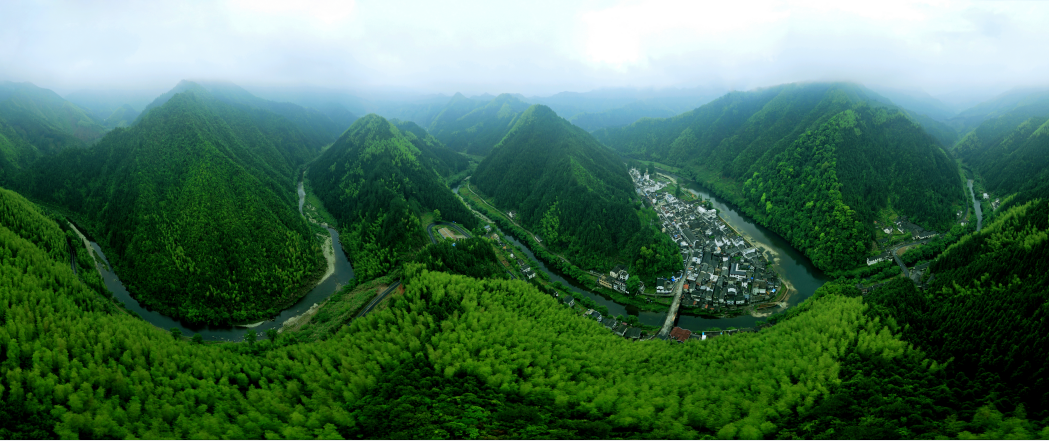
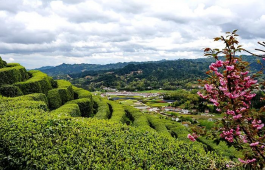
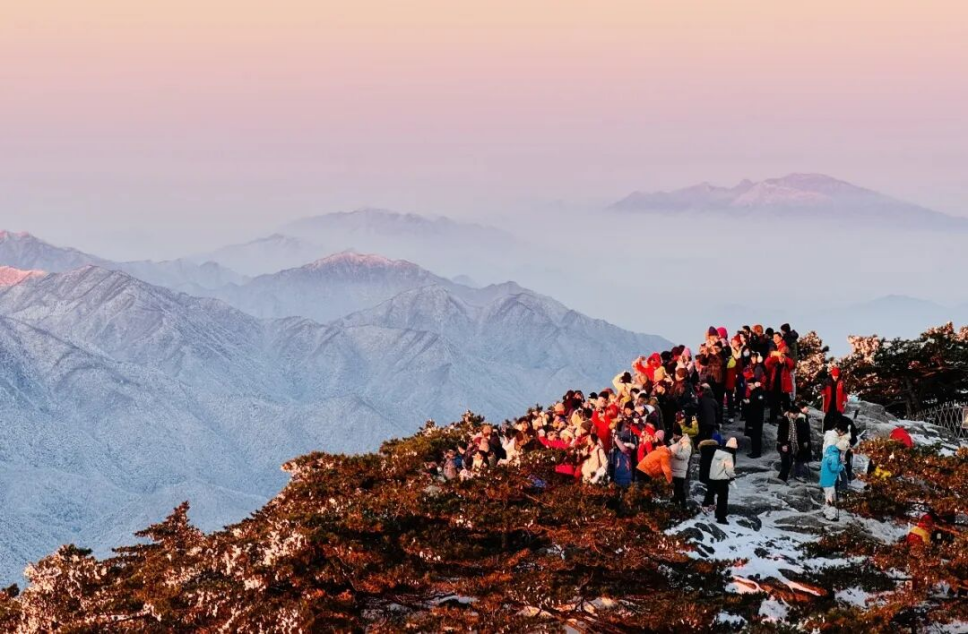
Located in southern Anhui Province, Huangshan lies near 30 degrees north latitude. With layers of mountain peaks, crisscrossing streams and valleys, year-round mist, high altitude, wide temperature differences and a humid climate, the area provides excellent natural conditions for tea cultivation. Tea gardens are built along the mountainsides and blend naturally with the surrounding landscape, nurturing famous Chinese teas such as Taiping Houkui, Huangshan Maofeng and Keemun Black Tea. Together, they form a distinctive “Huangshan coordinate” on the map of Chinese tea.
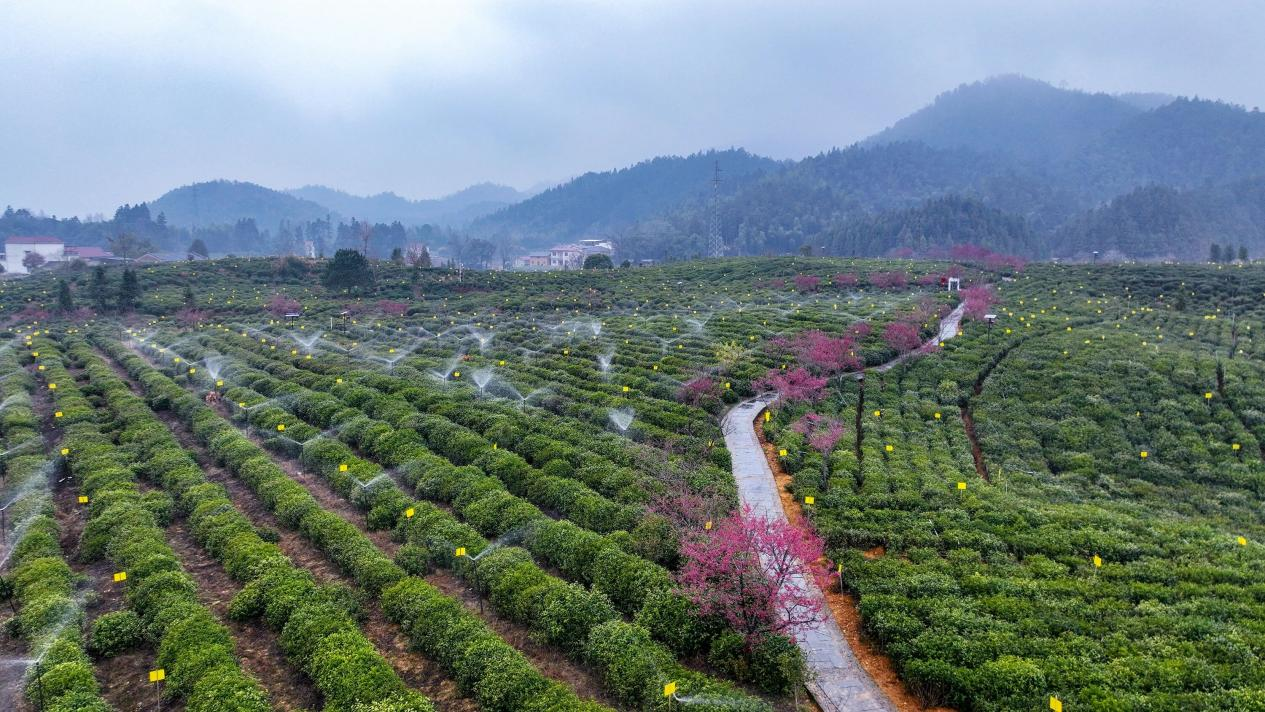
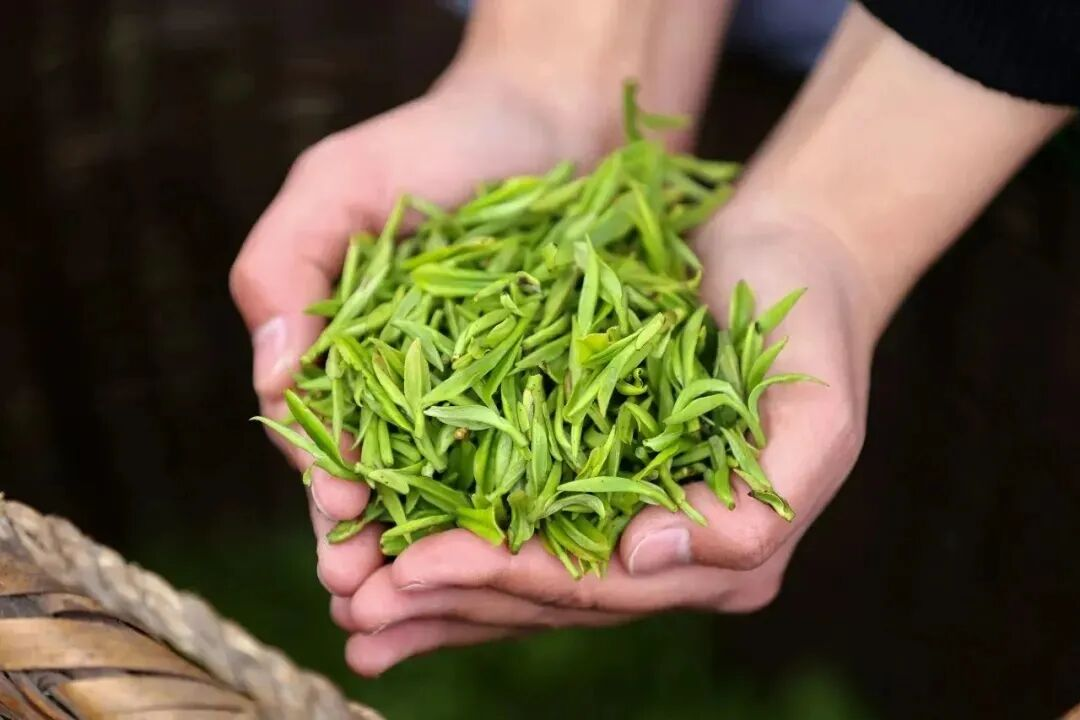
Huangshan has a long history of tea production. Since the establishment of Huizhou as an administrative region, tea planting, picking, processing, trade and daily drinking have been closely connected with local life. The tea-making techniques passed down over generations reflect tea makers’ understanding of seasonal timing, heat control and the characteristics of tea leaves, forming an important foundation for the quality of Huangshan tea. Taiping Houkui is known for its upright, elegant shape and fresh taste; Huangshan Maofeng is valued for its delicate aroma and fresh, mellow flavor; and Keemun Black Tea enjoys a strong reputation at home and abroad for its distinctive fragrance. Together, they showcase the diverse flavors of Huangshan tea.
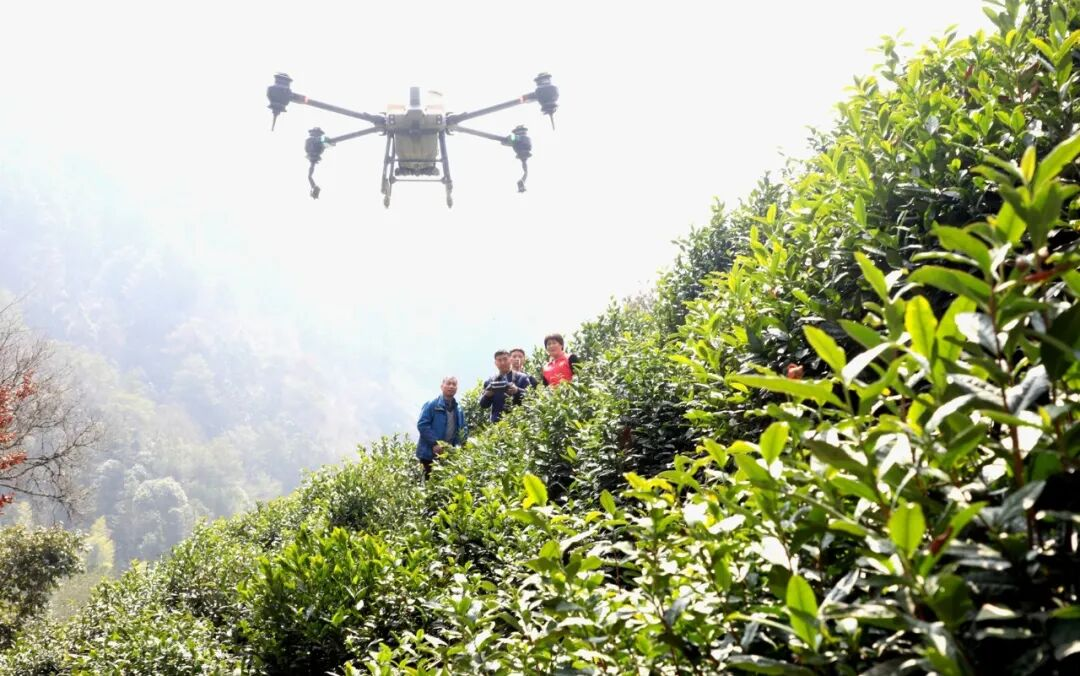
Today, Huangshan’s tea industry is accelerating its digital and modern transformation. In tea garden management, sensors, 5G networks and data platforms are being used to collect information on soil, temperature, humidity, light and pest conditions. Irrigation, plant protection and fertilization are gradually becoming more precise. Digital technology is not replacing the experience of tea farmers; rather, it is helping traditional agriculture build a more scientific and stable production system.
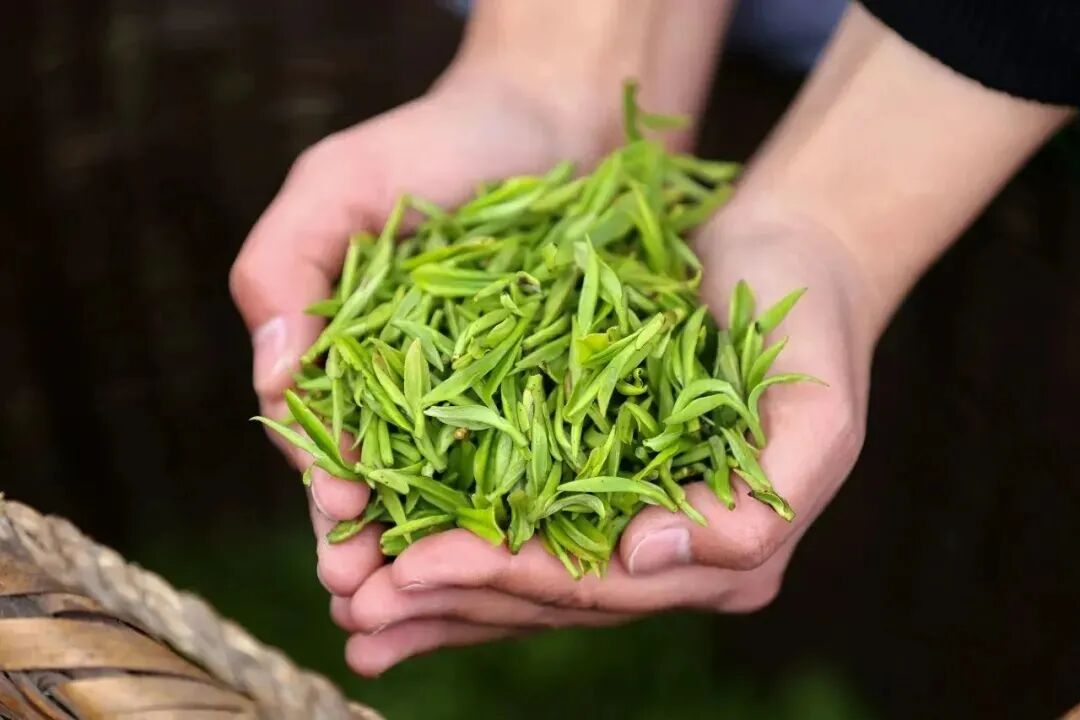
In tea processing, intelligent production lines are improving efficiency and quality consistency. Key procedures such as withering, rolling, fermentation and drying are gradually being controlled in a standardized way, allowing traditional tea-making techniques to better meet the needs of large-scale production and modern markets. Through digital traceability systems, information on tea origin, processing procedures and quality testing records can also be fully presented, helping consumers better understand the journey of a cup of tea from garden to cup.
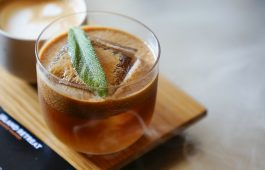
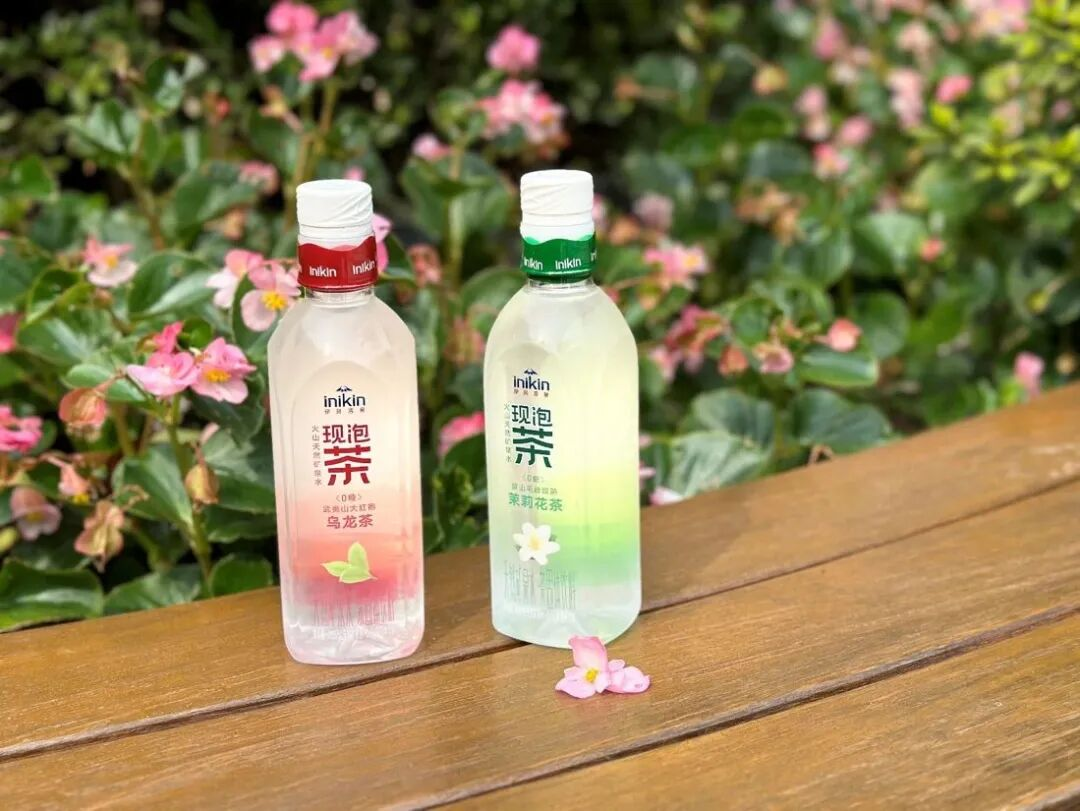
The product forms of Huangshan tea are also becoming increasingly diverse. In addition to traditional premium teas, the region is expanding into new-style tea beverages, deep-processed tea products, tea-based foods, health products, cosmetic ingredients and tea culture experiences. A tea leaf is no longer merely an agricultural product; it is becoming a cornerstone of the local value chain connecting beverage consumption, health consumption, cultural consumption and tourism experiences.

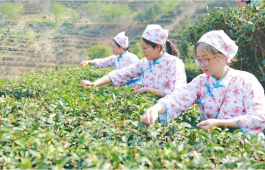
Relying on Huangshan’s world-class natural scenery and the cultural heritage of Huizhou, the integration of tea and tourism has become an important extension of the local tea industry. Tea garden sightseeing, study tours, tea culture exhibitions and rural leisure activities are transforming tea gardens from production spaces into consumption scenes. Visitors can not only taste tea, but also walk into the tea mountains, learn about tea picking, tea making and Huizhou tea culture, and experience the natural and cultural value behind Huangshan tea.
From Taiping Houkui and Huangshan Maofeng to Keemun Black Tea, from traditional tea making to digital tea gardens, and from a cup of tea to tea-tourism experiences, Huangshan tea is showing a new image of integrated development between traditional famous teas and modern industry. This leaf, grown among misty mountains and waters, is carrying Huangshan’s natural beauty, historical depth and industrial vitality to broader markets.