The China Tea Marketing Association (CTMA)
The China Tea Marketing Association (CTMA) was found in 1992

The China Tea Marketing Association (CTMA) was found in 1992
If one traces the development of tea in Chinese history, Xianyang is undoubtedly one of the important cities to enter this historical narrative at a very early stage. In 220 BCE, official tea of the Qin dynasty set out from Qianling County in western Hunan, traveled along the Youshui River, crossed Dongting Lake, moved up the Han River, passed through the Qinling Mountains, and finally arrived at the ancient ferry in Xianyang. This tea was not only presented to Qin Shi Huang as tribute, but was also used in court banquets, sacrificial rites, diplomatic occasions, and even for medicinal purposes in the military. From that point on, tea became closely intertwined with the historical development of Xianyang.
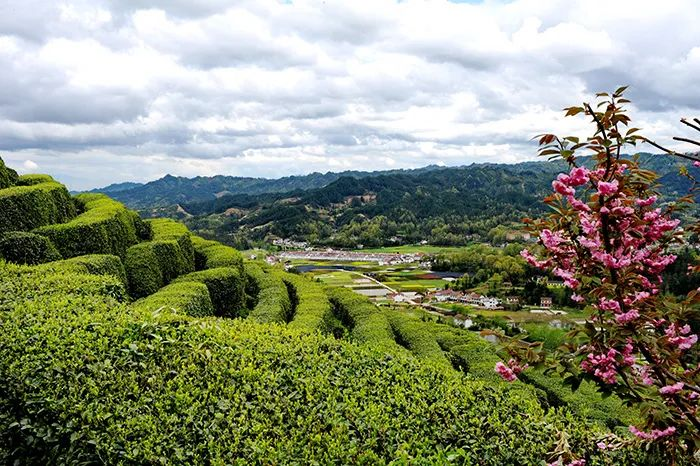
During the Ming and Qing dynasties, Jingyang Fu tea gradually became an important export tea because it could be compressed into bricks suitable for long-distance transport. Along the Silk Road, it was sold to more than forty countries and regions, including Russia and Persia, and, together with silk and porcelain, became one of the representative exports of traditional China. It was through this process that Xianyang gradually became part of an interregional and even international tea trade network.
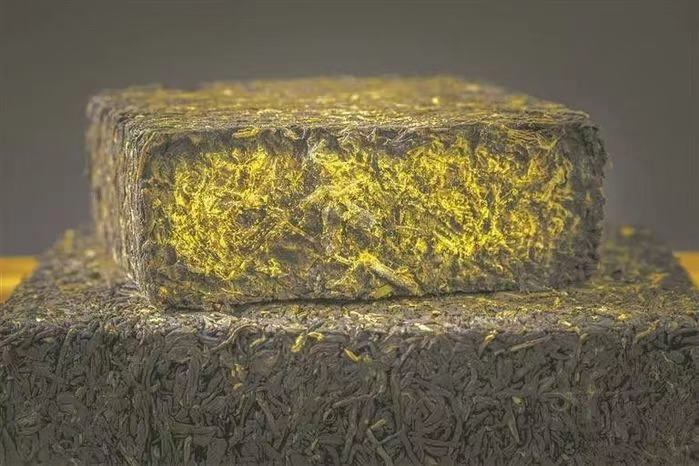
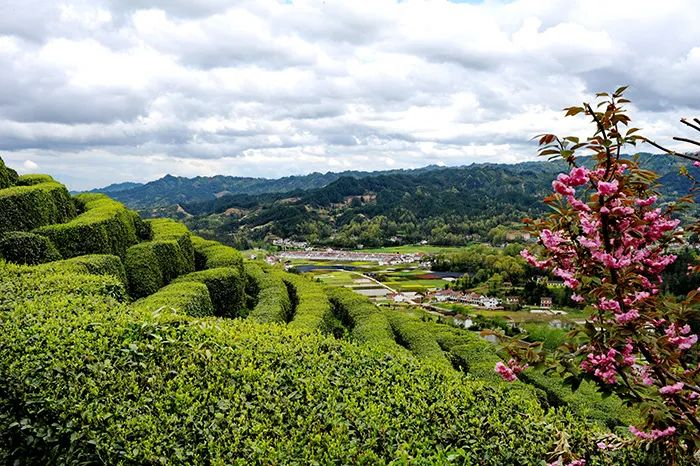
The most distinctive feature of Xianyang Fu tea lies in the “golden flowers” that develop during fermentation, namely Eurotium cristatum. These are not flowers in the botanical sense, but beneficial microorganisms that naturally grow under specific fermentation conditions. They improve the texture of the tea liquor, making it fuller-bodied and smoother, while also enhancing its endurance over multiple infusions. Jingyang’s unique climate, soil, and humidity provide an ideal environment for the formation of these “golden flowers.” According to tradition, during the Northern Song dynasty, tea merchants accidentally discovered yellow fungal spots appearing on tea during transport, and the resulting tea proved popular among pastoral communities. This led to sustained exploration of the blooming process. After long-term practice, the production of Fu tea with “golden flowers” gradually matured and took recognizable form by the Hongwu period of the Ming dynasty.
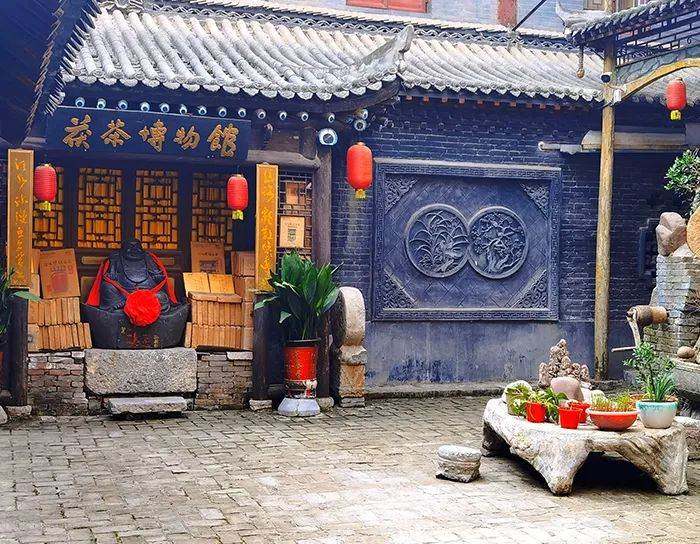
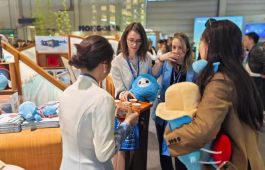
A visit to the Fu Tea Museum in Xianyang offers a clear introduction to the history of local Fu tea production and trade. The museum displays traditional tools such as tea-sifting screens, tea-packing baskets, and pounding implements, reflecting the evolution of tea-making techniques across different periods. It also preserves and exhibits important historical objects and documents related to ancient tea and tea commerce, allowing visitors to understand the broader trajectory of Xianyang’s tea industry. In addition, the museum recreates the commercial scenes of Jingyang tea merchants in the Ming and Qing dynasties through market settings, camel caravans, and other visual elements, presenting the prosperity of the tea trade at that time.
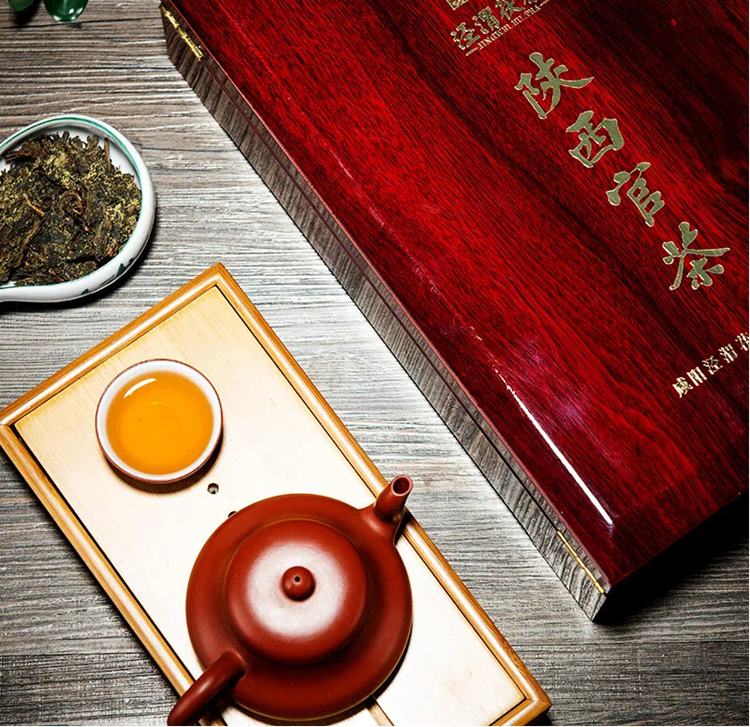
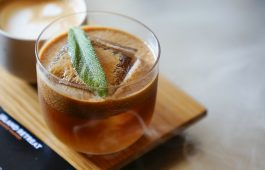
In the modern era, Xianyang’s tea industry has expanded far beyond traditional cultivation and sales, gradually forming an integrated model that combines tea production, tea culture, tea tourism, and tea technology. Projects such as the Jingwei Tea Expo Park and the Fu Tea Entrepreneurship Park have become important platforms for local tea development. Visitors can watch demonstrations of intangible cultural heritage techniques, tour digital fermentation workshops to observe the formation of the “golden flowers,” and experience a range of tea-themed derivative products. By 2024, Xianyang had more than fifty Fu tea enterprises, with an annual output of 30,000 tons and an industrial value of about 3 billion yuan. In the same year, the brand value of Xianyang Fu tea reached 3.586 billion yuan. These figures show that the tea industry has become an important driver of local economic growth and income generation.
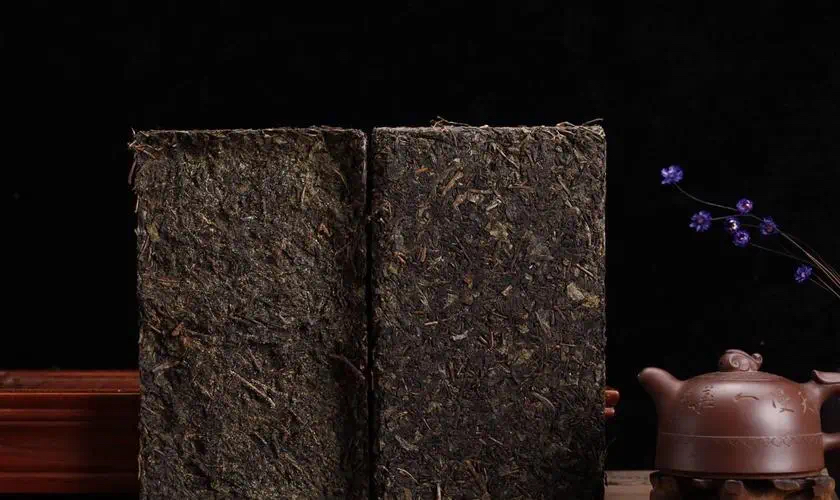
From a broader perspective, Xianyang’s tea culture does not exist in isolation. Rather, it maintains deep connections with multiple regions and tea varieties across the history of Chinese tea. Historic teas such as Qin official tea, Jingyang Fu tea, and western Hunan Huangjin tea are linked not only through production and trade, but also through the continuity of cultural transmission. In recent years, with the development of technologies such as metagenomics and digital twin modeling, researchers have begun to simulate and reconstruct ancient fermentation environments, using more scientific methods to explain the formation of traditional flavors and to support the living transmission of age-old tea-making techniques in the present day.
Taken as a whole, tea in Xianyang carries both a long historical memory and strong potential for future development. It reflects the influence of Qin institutional culture, bears witness to the flourishing of tea trade and Silk Road exchange, embodies the combined effects of local natural conditions and traditional craftsmanship, and continues the cultural lineage from tribute tea to intangible cultural heritage protection. For this reason, tea in Xianyang is not merely a beverage, but also a form of Chinese history and cultural experience that can be understood through taste.