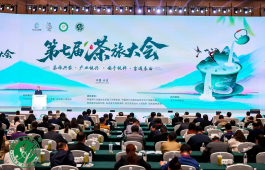
The China Tea Marketing Association (CTMA)
The China Tea Marketing Association (CTMA) was found in 1992

The China Tea Marketing Association (CTMA) was found in 1992
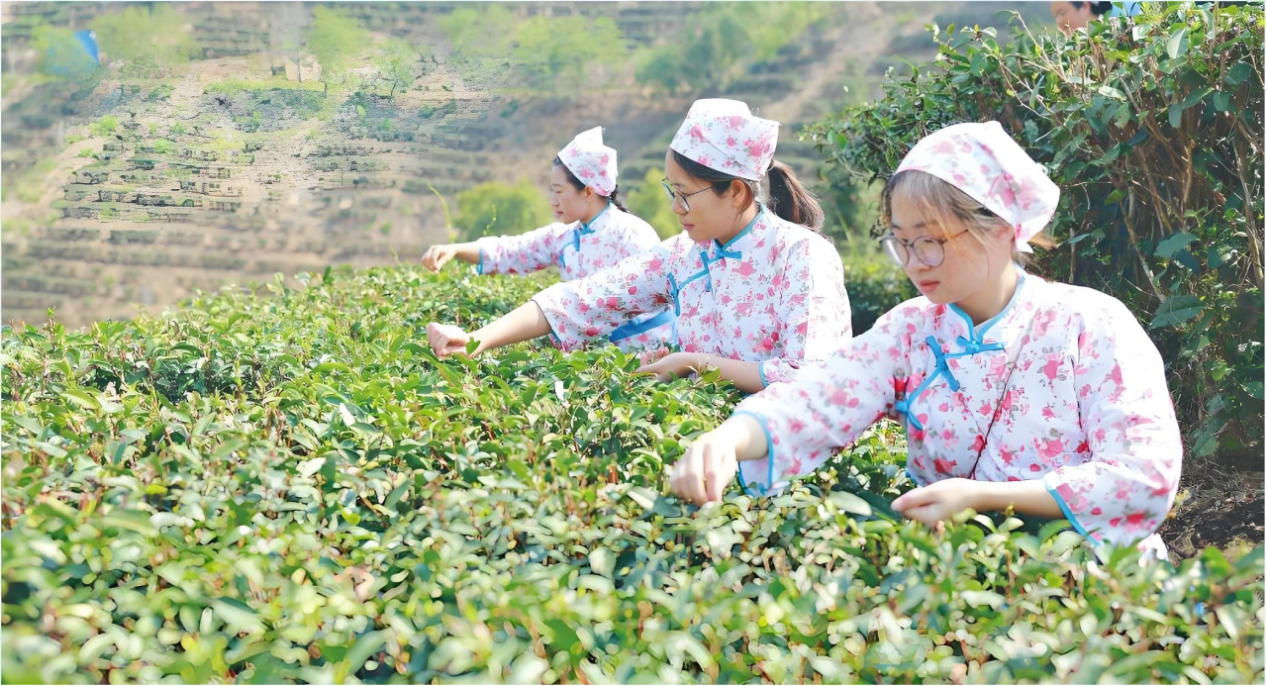
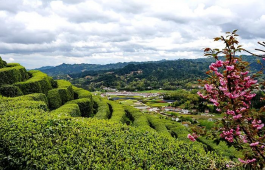
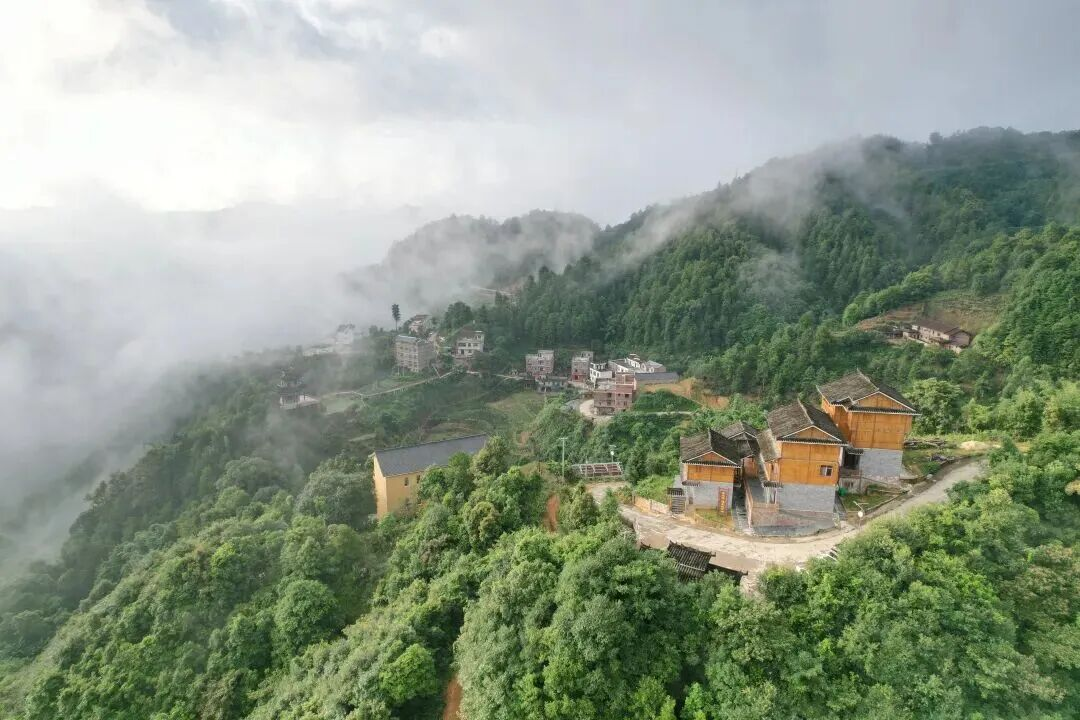
Located in eastern Guangxi, Wuzhou sits at the confluence of the Xijiang, Guijiang and Xunjiang rivers. It is also an important place of origin for Liupao tea, one of China’s representative dark teas. With rolling mountains and hills, a warm and humid climate, abundant rainfall, frequent mist and acidic red soil well suited to tea cultivation, Wuzhou provides favorable natural conditions for the distinctive quality of Liupao tea.
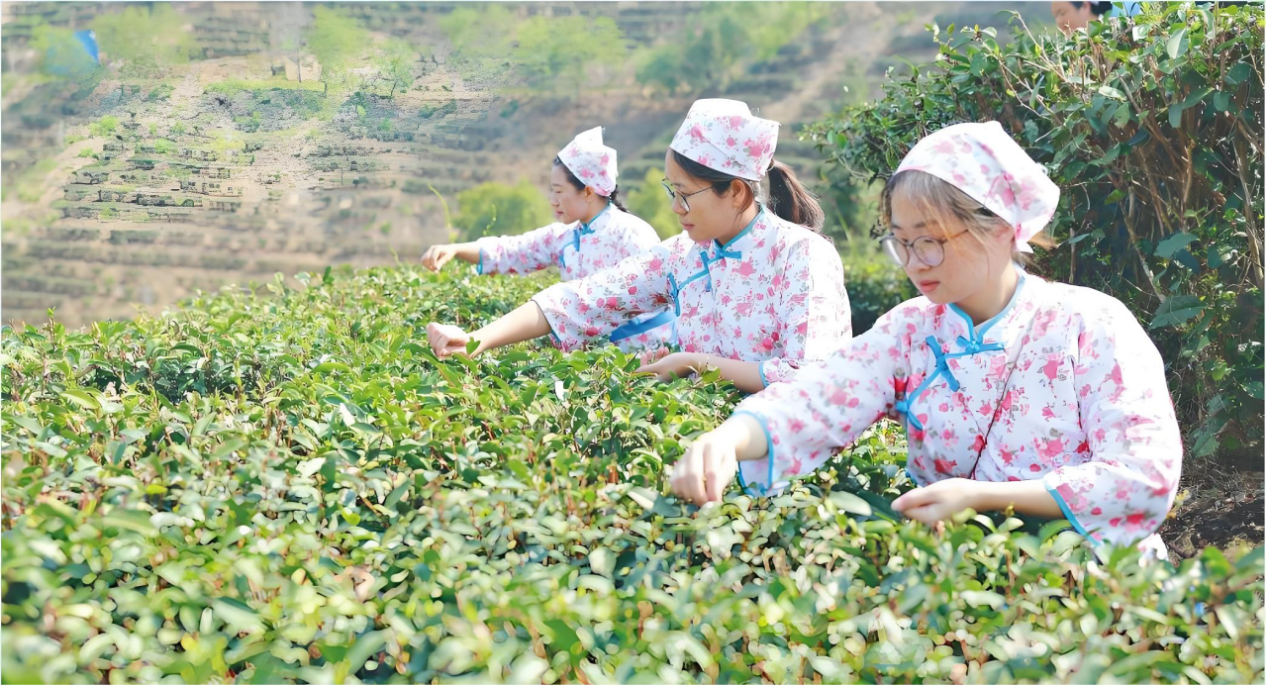
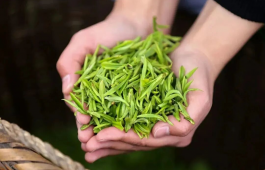
Liupao tea is produced mainly in and around Liupao Town, Cangwu County, Wuzhou. As a post-fermented tea, it is known for the typical qualities of being a reddish liquor, rich body, aged character, and mellow taste. Its infusion is bright reddish in color, with a rich, smooth taste and a distinctive aged aroma that becomes more layered after proper storage. Because of its dark brown appearance and treasured quality, Liupao tea is also known as the “black gem of tea.” Historically, Liupao tea was exported to Southeast Asia and beyond along the “Ancient Tea-Boat Route,” making it an important tea in China’s foreign trade history and in the memories of overseas Chinese communities.
In recent years, the industrial foundation of Wuzhou Liupao tea has continued to strengthen. In 2025, the city’s tea gardens covered more than 400,000 mu, with an annual output of nearly 45,000 metric tons and a comprehensive output value of about RMB 30 billion. The regional public brand “Wuzhou Liupao Tea” reached a brand value of RMB 9.522 billion. A complete industrial chain has taken shape, covering tea cultivation, primary processing, deep processing, storage and aging, brand marketing and tea-tourism experiences. Liupao tea is growing from a local specialty into a Chinese tea brand with nationwide influence and international communication potential.
In terms of product forms, Liupao tea not only retains classic products such as loose tea, compressed tea, tea cakes, tea bricks and tea tuocha, but also offers products better suited to modern consumption scenarios, including teabags, instant tea, portable packs, small-can tea, tea beverages and tea-derived products. Differences in vintage, storage conditions and blending techniques have also created rich layers of flavor, enabling Liupao tea to meet diverse needs for daily drinking, gifting, collection and aging, as well as international markets.
The unique value of Liupao tea also comes from its profound craftsmanship. Wuzhou is home to 252 representative inheritors of intangible cultural heritage at various levels, including one at the national level, nine at the autonomous-region level and 41 at the municipal level. By integrating traditional craftsmanship with modern processing technologies, Liupao tea continues to improve product stability, standardization and market adaptability while preserving its classic aged aroma and mellow taste. At present, 60 invention patents have been developed in fields related to Wuzhou Liupao tea, bolstering product innovation and industrial upgrading.

Liupao tea also serves as an important link between industry and lifestyle. Drawing on its tea mountains, tea factories, tea warehouses and the cultural resources of the “Ancient Tea-Boat Route,” Wuzhou has developed tea-tourism destinations such as the Baili Tea Corridor and Motianling Tea Sea, while offering tea-making experiences, tea warehouse visits, tea banquets and tea-themed homestays. These allow consumers to extend a cup of tea into a complete cultural experience. For overseas consumers, Liupao tea is not only a Chinese dark tea, but also a unique gateway to the landscapes of Lingnan, the Ancient Tea-Boat Route and the oriental charm of aged tea.
Today, Wuzhou Liupao tea carries both a long history and a solid industrial foundation. It combines traditional craftsmanship with modern product innovation. From Wuzhou, where three rivers meet, this cup of Chinese tea with an aged aroma and mellow taste is reaching broader domestic and international markets.
Photo source: Wuzhou Tea Industry Development Bureau