The China Tea Marketing Association (CTMA)
The China Tea Marketing Association (CTMA) was found in 1992

The China Tea Marketing Association (CTMA) was found in 1992
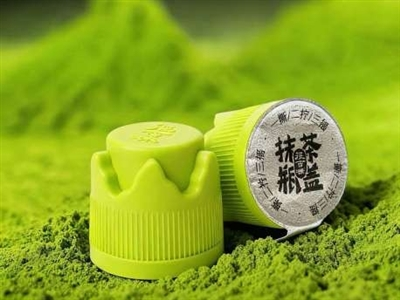
On the desk of Wang Junhua, Chairman of Hangzhou Jingbaiwei Matcha Technology Co., Ltd., sits a vast collection of water bottles from across the globe—unique testaments to how his innovative matcha bottle cap has conquered overseas markets and surmounted the challenges of cross-border product compatibility.
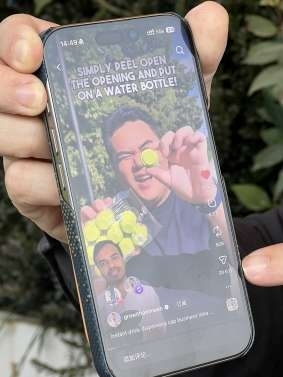
In July 2025, a matcha bottle cap unexpectedly went viral on overseas social media platforms. In the videos, users simply screw it onto a regular water bottle and give it a quick shake to get a cup of freshly made matcha in an instant. This highly innovative and convenient experience took the internet by storm at once, with views of related videos surging past 14 million. The online buzz quickly translated into tangible orders: in early 2026, a Polish enterprise signed a major order for 360,000 such caps with Hangzhou Jingbaiwei Matcha Technology Co., Ltd. Behind this lies customers’ recognition of an innovative business model – by shipping only the lightweight caps and pairing them with local water sources to produce beverages, supply chain efficiency is greatly enhanced. The company projects that its overseas business will account for more than 80% of its total revenue this year.
Beneath the product’s global popularity lies a systemic capability to navigate the complexities of the international market. The foremost hurdle is the lack of uniform standards for water bottle openings across countries. To address this, Wang Junhua has made a habit of scouring local convenience stores during business trips to test a wide range of bottle types—hence the eclectic “bottle museum” on his desk. His team, meanwhile, developed precision molds in nearly 50 designs that cover all mainstream bottle calibers, ensuring the product is adaptable to markets worldwide.
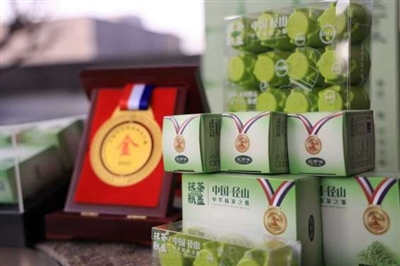
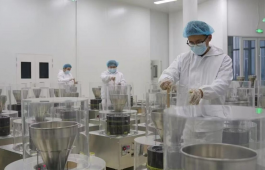
To meet the surging global demand, the company is upgrading its Jingshan production base by introducing new production lines that comply with Class 100,000 cleanroom standards. It is estimated that the company’s consumption of matcha powder will skyrocket from 20 metric tons to 100 metric tons in 2026, marking a fivefold increase in production capacity. Simultaneously, the enterprise is actively applying for internationally recognized certifications including the U.S. FDA certification and EU Organic Certification. It has also taken the initiative to upgrade its overseas orders to use premium organic matcha that meets stricter quality standards, solidifying its reputation for exceptional product quality on the global stage.
A key competitive edge of the company stems from the synergistic empowerment within its group. Leveraging the professional expertise of its affiliated e-commerce live streaming agencies, the company has built a full-chain overseas expansion support system encompassing platform operation, content creation and marketing. It also provides in-depth “product + e-commerce empowerment” solutions for its overseas distributors, forging a formidable competitive moat in the global matcha market.
Powered by the dual engines of soaring market popularity and robust systemic capabilities, Wang Junhua and his team are steadily advancing toward their global strategic goal: Matcha of the world traces its roots to Jingshan.