
The China Tea Marketing Association (CTMA)
The China Tea Marketing Association (CTMA) was found in 1992
The China Tea Marketing Association (CTMA) was found in 1992
Tea is one of the world’s three major beverages, originating in China and popular worldwide. In 2022, “Traditional Chinese Tea-making Techniques and Related Customs” were inscribed on the UNESCO Representative List of the Intangible Cultural Heritage of Humanity. May 21 marks the 7th “International Tea Day.” Learn these facts about tea and drink it scientifically together!
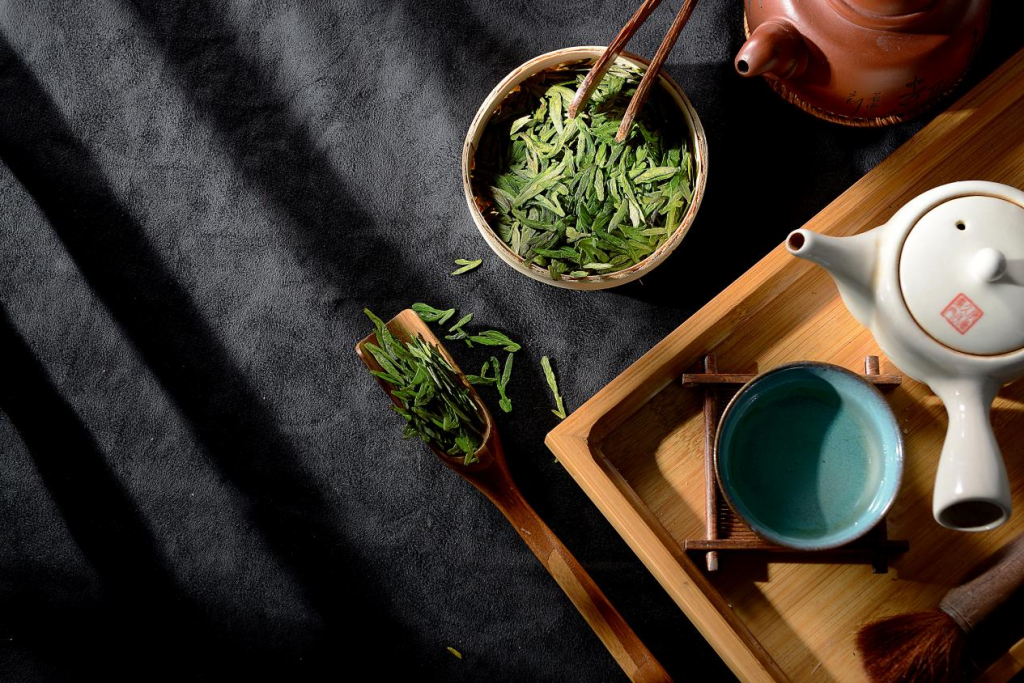
Common misconception 1: The more expensive the tea, the better?
Price does not necessarily equate to quality. The price of tea is influenced by multiple factors, including the tea’s origin, harvesting season, and processing techniques. When consuming tea, priority should be given to quality over grade, as some inexpensive teas may offer superior health benefits.
Common Misconception 2: Is a stronger tea infusion always better?
Many people believe that the stronger the tea, the better its flavor. In reality, excessively strong tea may have a bitter taste and may also lose some of the essential compounds present in the tea leaves. Studies have found that over-infusion of tea leaves can lead to the loss of polyphenolic compounds, which are antioxidant substances in tea beneficial to health.
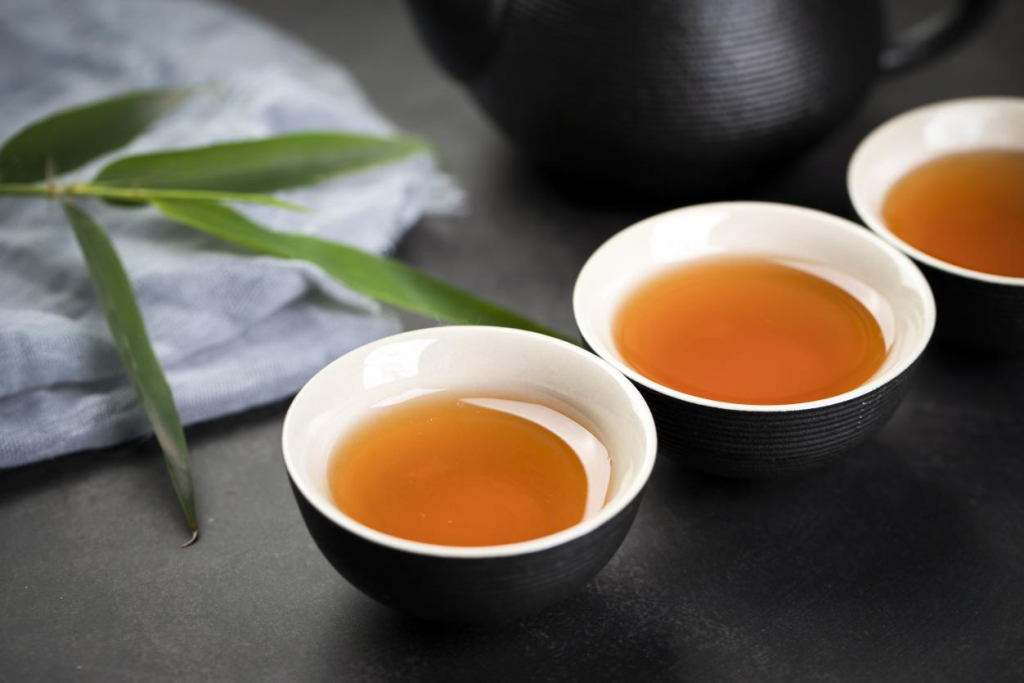
Common Misconception 3: Does drinking tea immediately after meals aid digestion?
Tannic acid in tea can interfere with the absorption of iron from food, particularly non-heme iron, which may adversely affect patients with anemia. Additionally, caffeine in tea may inhibit the absorption of dietary iron. The correct practice for tea consumption is to wait at least half an hour after meals, preferably one hour, before drinking tea.

